The Peter Benchley Collection: Jaws, A Life of Writing, A Legacy of Ocean Conservation.
Lot 246:
Description
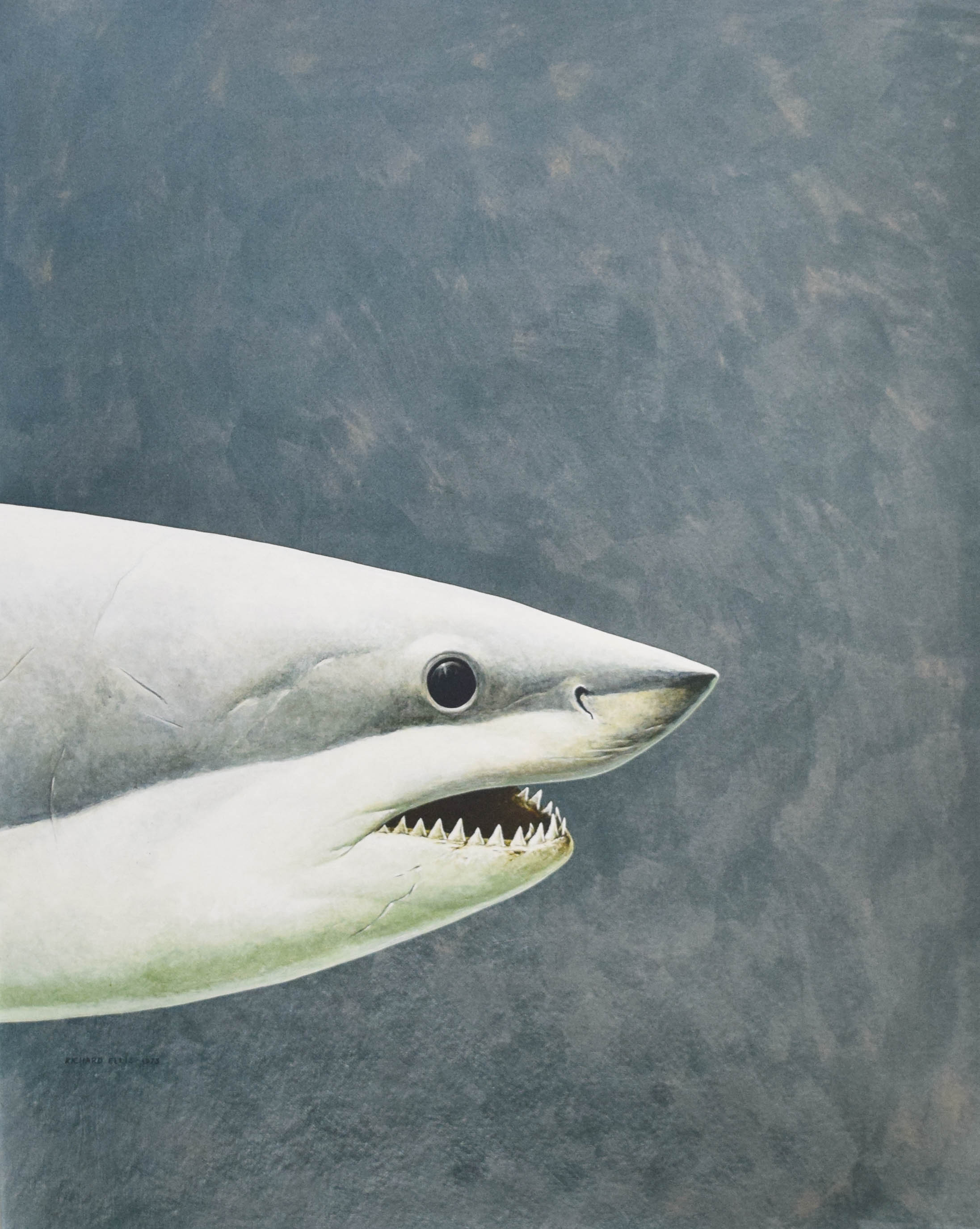
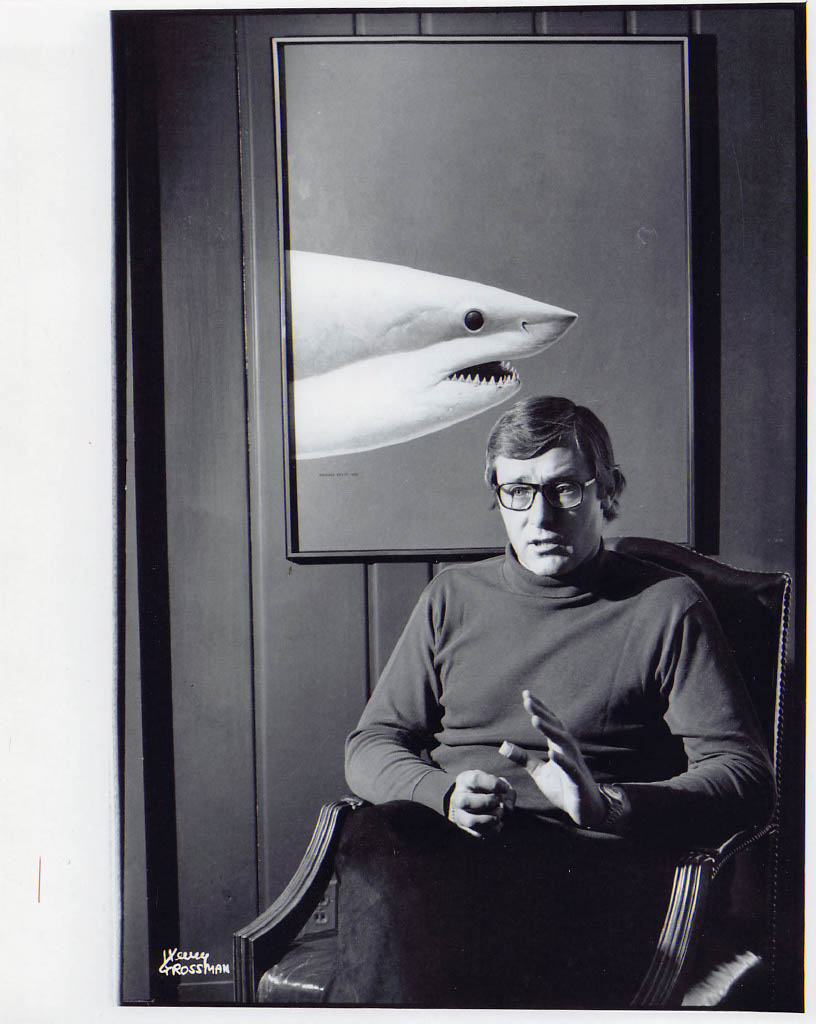
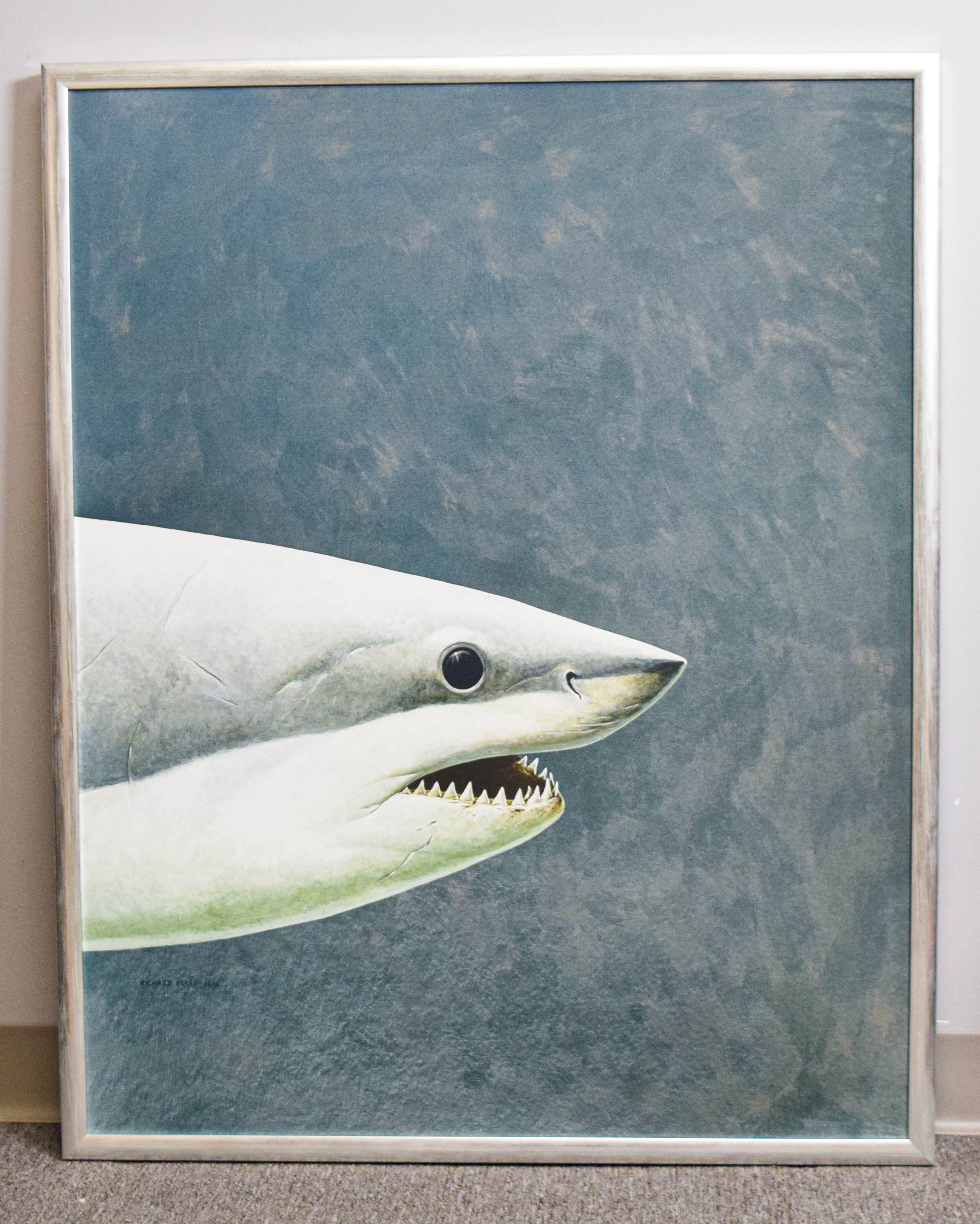
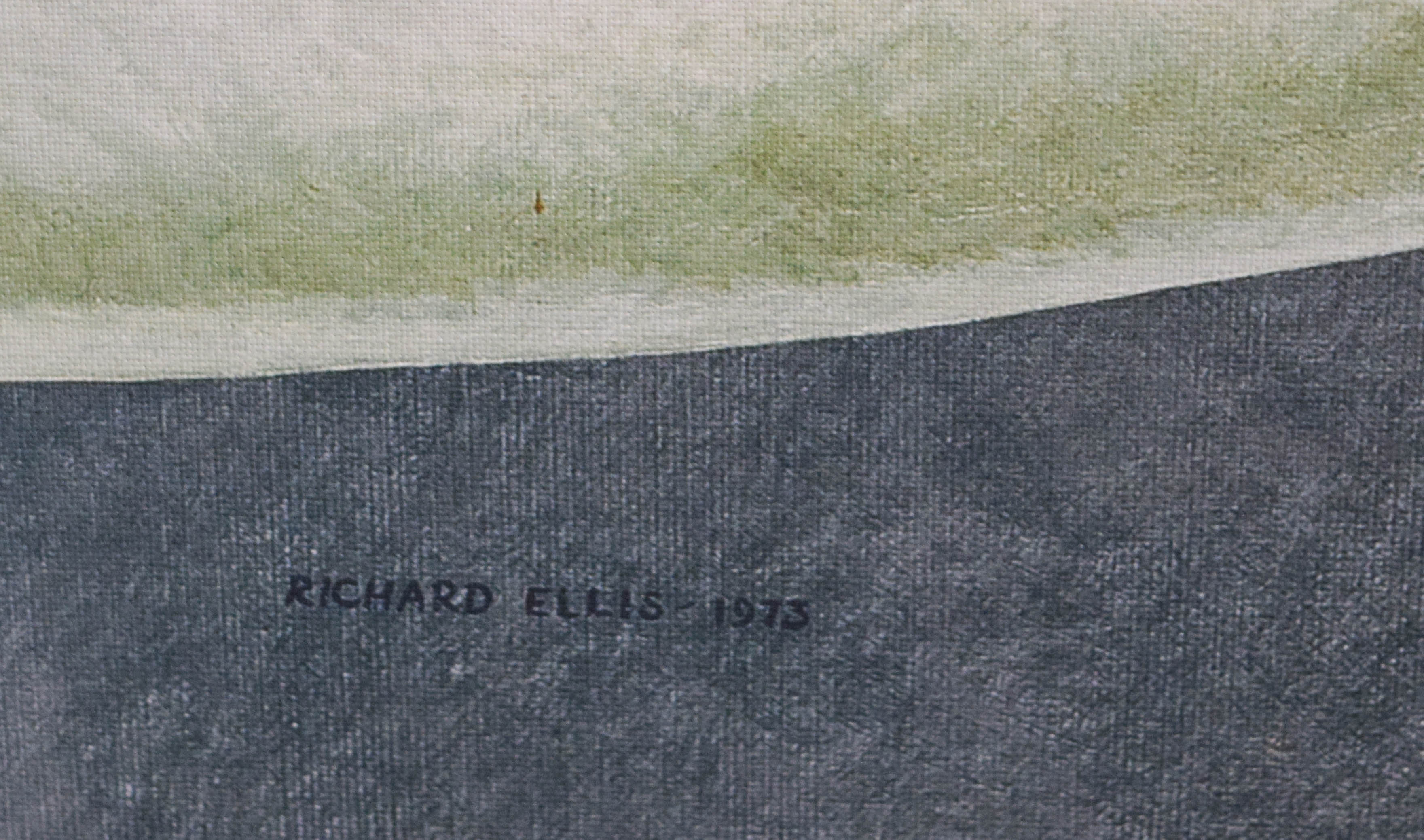
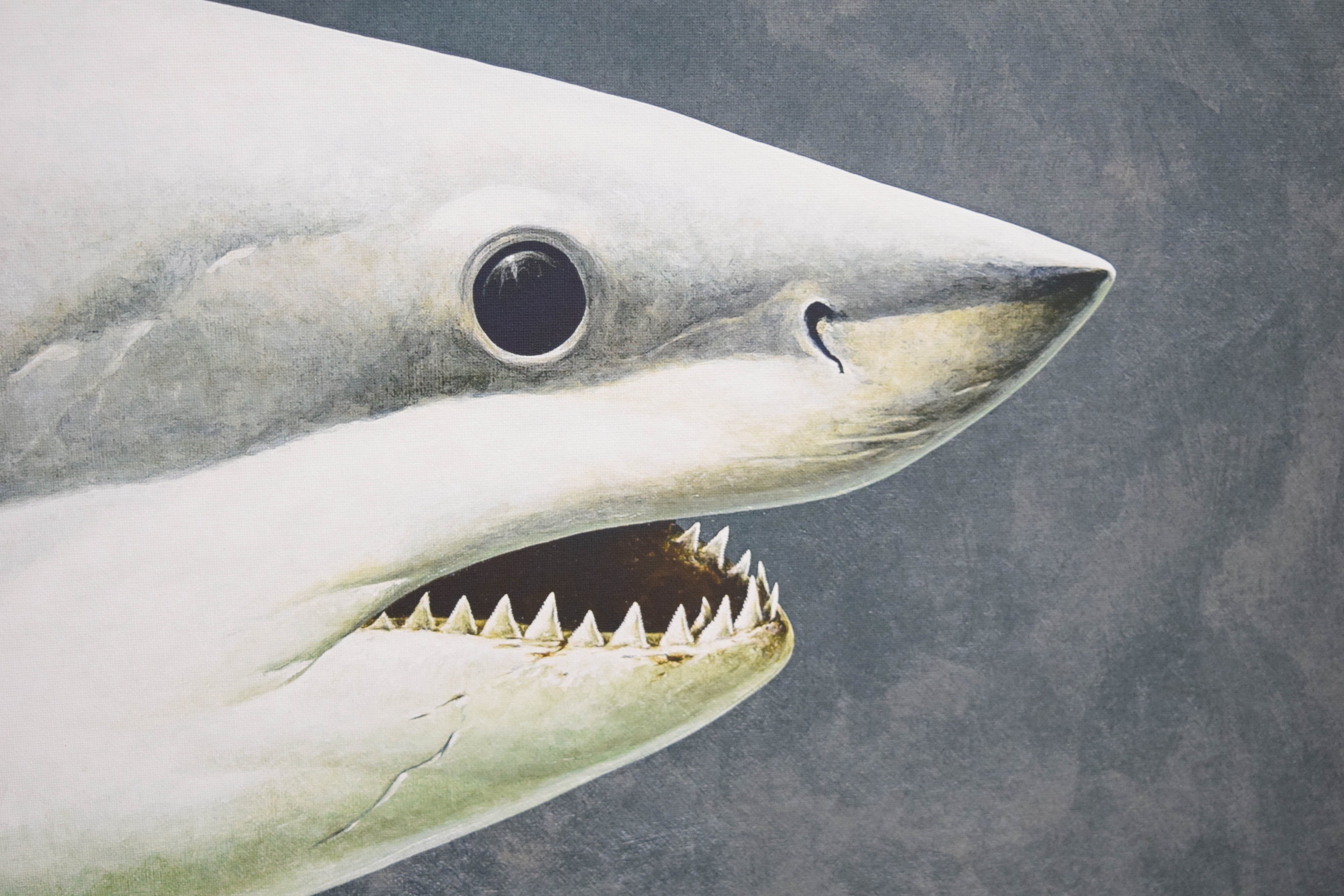
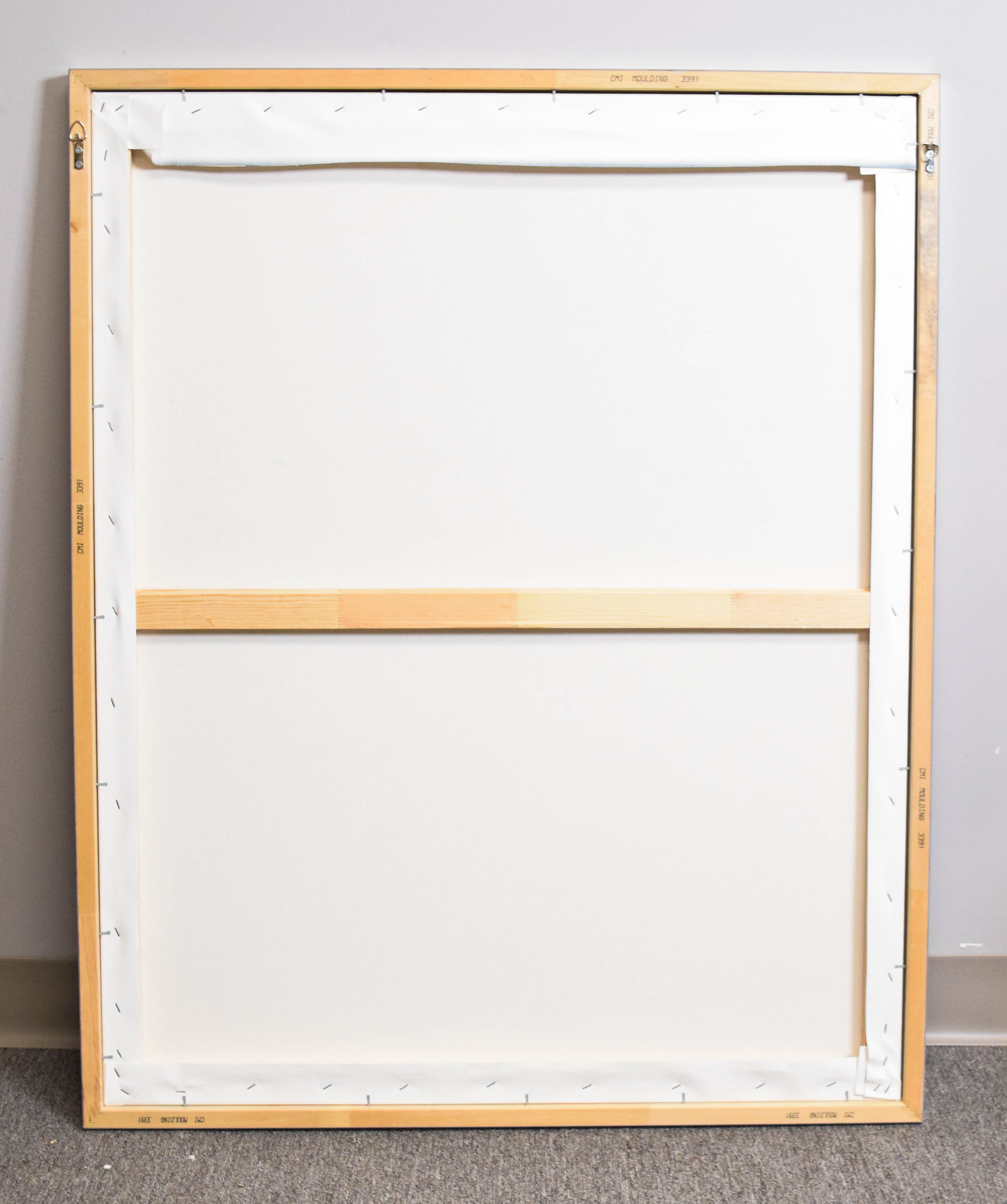
Richard Ellis (American, 1938-2024). Giclée on canvas, Great White Shark, 1973. This large-format reproduction is after a 1973 original painting. The work is gallery-wrapped over wooden stretcher bars and secured in a silver-plated metal frame. Printed signature and date Richard Ellis – 1973 in the lower left corner. Peter Benchley was photographed in front of the piece for a Wall Street Journal interview and various media photos exist featuring Peter and this piece. Overall size: 41 5/8 x 33 3/8 x 1 1/4 in.
A striking great white shark by Richard Ellis (1938–2024), the self-taught artist and author Simon Winchester called the “reigning poet laureate of the marine world.” Ellis helped design the 94-foot blue whale that hangs in the American Museum of Natural History, painted for National Geographic and Audubon, and wrote some two dozen books, among them The Book of Sharks, published the year JAWS reached theaters. As a U.S. delegate to the International Whaling Commission, he helped bring about the moratorium on commercial whaling. Peter bought one of Ellis’s shark paintings early on, and the two became close friends and fishing companions (see Lots 221 and 247).
Provenance: Exhibited in "From the White House to the Deep Ocean: LBJ, Jaws and Conservation, " held at the LBJ Presidential Library, Austin, Texas, from April 19 through October 19, 2025.
From the personal collection of Peter Benchley (American, 1940–2006), acclaimed author of Jaws, accomplished diver, and prominent advocate for ocean and shark conservation.
Proceeds from the Peter Benchley Collection will benefit five ocean conservation organizations: Peter Benchley Ocean Awards, WildAid, Beneath the Waves, Blue Frontier and Environmental Defense Fund.
Condition report:
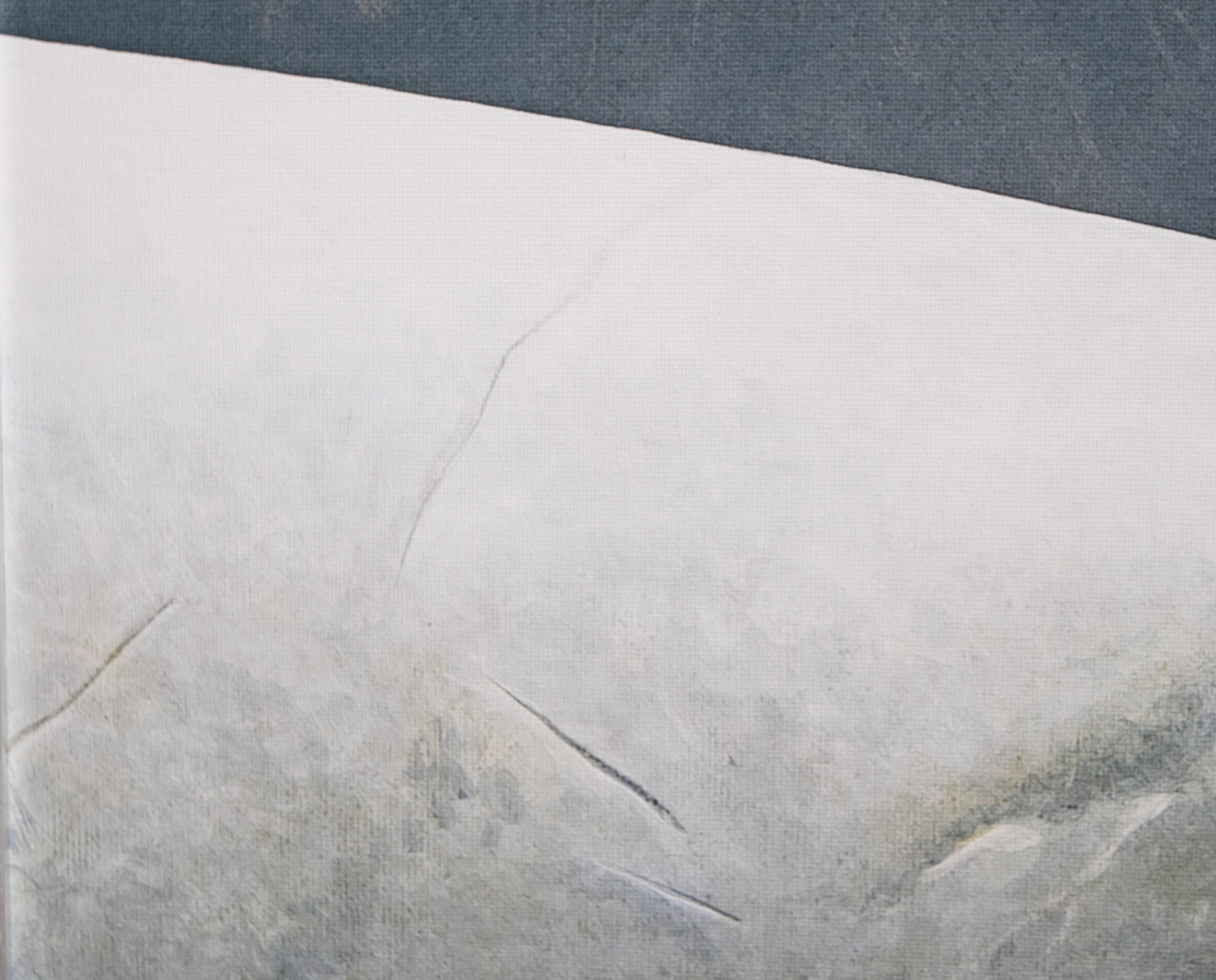
Multiple prominent diagonal scratches and scuffing are visible across the white upper snout and forehead area of the shark. A small circular brown surface spot is present on the lower ventral section of the jaw. The silver-plated frame displays minor surface rubbing and light oxidation consistent with handling.
Share this lot: